THE SHORT ANSWER
A gold futures position is a dated leveraged contract, not a small bar purchase
Start with the contract code, not the word gold. GC controls 100 troy ounces, MGC controls 10, and 1OZ controls one. The position is marked to market against the full exposure while only a margin performance bond is posted. GC and MGC have physical-delivery mechanisms; 1OZ is financially settled. Expiry, broker margin and settlement instructions can therefore change the result even when the gold-price view is correct.

POSITION LIFECYCLE
Follow the contract from exposure through margin to expiry
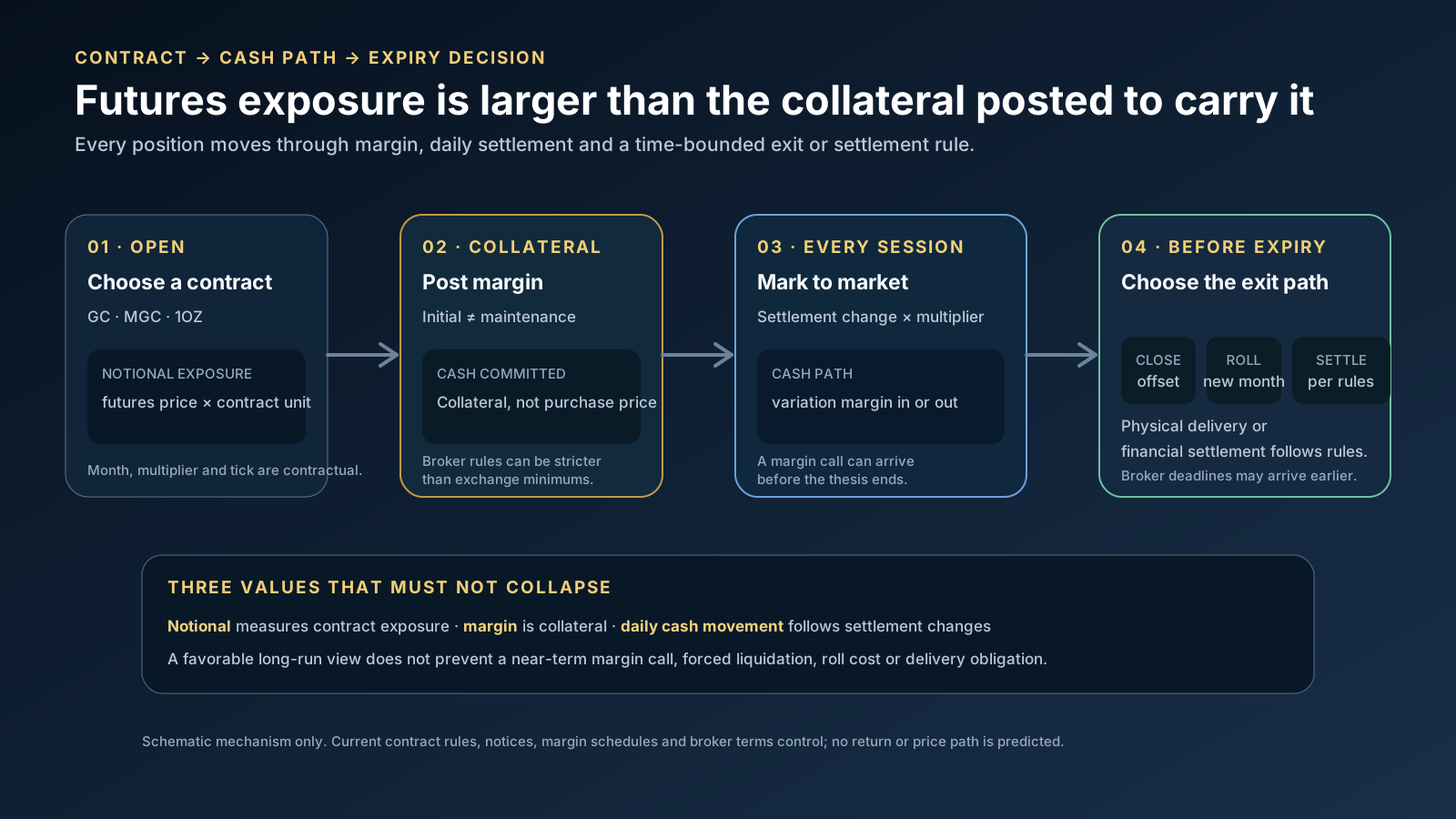
The lifecycle keeps notional exposure, collateral and daily cash settlement separate. It also makes the pre-expiry decision visible before the contract's delivery or financial-settlement rules become operational.
CONTRACT MAP
Three contract sizes solve different exposure problems
A smaller contract reduces dollars gained or lost for the same per-ounce move. It does not make futures inherently safe: leverage, gaps, margin changes, liquidity, commissions and operational deadlines remain.
LIFECYCLE
Every position moves through five control points
Record the code, month, year, contract size and settlement type.
Margin is a performance bond, not the purchase price of the referenced gold.
Daily and intraday price changes can debit or credit account equity.
Offset, roll or follow settlement instructions before broker deadlines.
Record variation margin, commissions, spread, slippage and settlement costs.
RISK BUDGET
Size the position from the adverse price move, not from available margin
One GC contract gains or loses $100 for every $1 move in the quoted gold price. MGC changes by $10 and 1OZ by $1. A $40 adverse move therefore produces a $4,000 GC loss, a $400 MGC loss or a $40 1OZ loss before costs. Comparing required margin alone hides the economic exposure.
Use the calculator to translate an explicit adverse scenario into dollars. Then preserve liquidity beyond maintenance margin, because brokers can set house requirements above exchange minimums, raise them, demand variation margin or liquidate under their agreement.
DECISION GATE
Use futures only when all seven questions have written answers
01Which exact contract and month will be traded?
02What is the full notional exposure and dollar value of a $1 move?
03What initial, maintenance and house margin applies now?
04What loss occurs under the planned adverse-price scenario?
05What are the broker's liquidation and position-close deadlines?
06Will the position be offset, rolled, physically delivered or financially settled?
07Which commissions, exchange fees, spread, slippage and tax treatment apply?
PRIMARY SOURCES & REVIEW BOUNDARY
Contract rules come before marketing summaries
- COMEX Rulebook Chapter 113 for the 100-troy-ounce GC trading unit, $0.10-per-ounce minimum tick, deliverable bar standards and last trading day.
- COMEX Rulebook Chapter 120 for the 10-troy-ounce MGC unit, $0.10-per-ounce minimum tick and Accumulated Certificate of Exchange delivery structure.
- CME 1-Ounce Gold futures FAQ for the 1OZ contract size, $0.25 tick, financial settlement, listed months, current access channel and current trading-hours notice.
- Current COMEX Rulebook index for later amendments, delivery chapters, position limits and related notices.
- CFTC Futures Market Basics, CFTC explanation of how futures work and the CFTC glossary for margin, daily mark-to-market, offsetting, clearing and retail risk.
Sources were reviewed August 2, 2026. GoldObserve does not reproduce licensed futures quotes, margin schedules, fee tables or exchange calendars. Verify the current rulebook, exchange notices and your futures commission merchant before using any contract.
GOLD FUTURES RESEARCH PATH
Continue with the next distinct decision
FREQUENTLY ASKED QUESTIONS
Gold futures questions
How much gold is in one COMEX gold futures contract?
GC represents 100 troy ounces, MGC represents 10 troy ounces and 1OZ represents one troy ounce. The settlement method is not the same across all three contracts.
Do I pay the full value of gold when trading futures?
No. A futures trader posts margin as a performance bond, but profit and loss are calculated on the full contract exposure and marked to market. Losses can exceed the initial deposit.
Will a gold futures contract deliver a bar to my home?
Do not assume that. GC and MGC use exchange clearing, approved depositories, warrants or ACEs and detailed delivery rules. 1OZ is financially settled. Retail brokerage eligibility and procedures also matter.
Are gold futures suitable as a permanent gold holding?
A futures contract expires. Maintaining exposure requires closing, settling or rolling the position, each with timing, spread, commission, margin and operational consequences.