FIRST-YEAR BOUNDARY
The four 1982 gold coins carried no face-value denomination
China Gold Coin Group's official series history describes four 1982 Panda gold sizes, no 1/20-ounce coin and no denominations. That is a useful identity fact, but it does not by itself establish authenticity, final mintage, legal status or collector value.
EVIDENCE BOUNDARY
Use the missing denomination as an expected feature, not a verdict
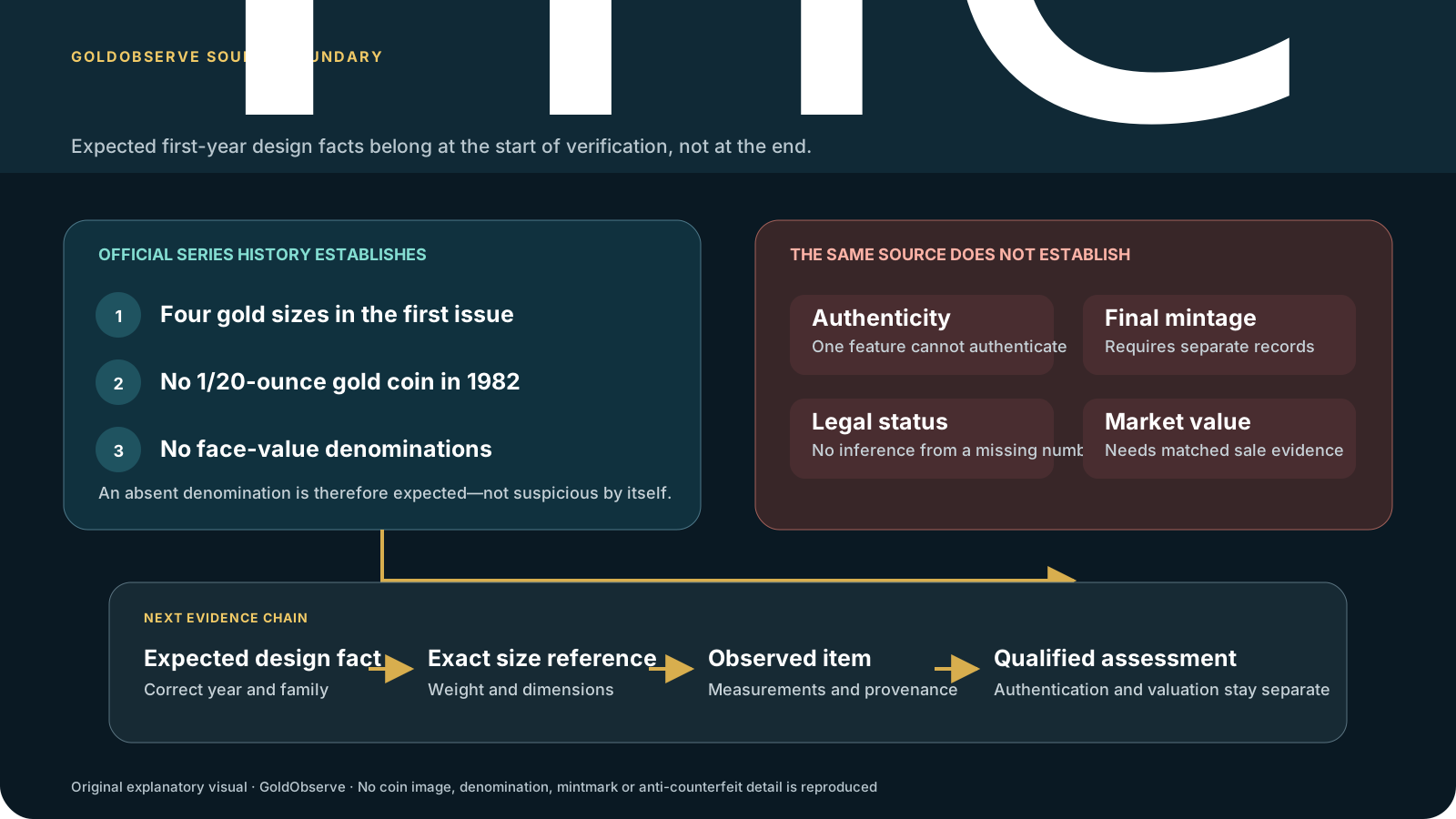
The official history resolves three first-year facts. The diagram keeps those facts separate from four conclusions that still need independent product, measurement, provenance and market evidence.
WHAT THE SOURCE ESTABLISHES
A missing face-value number is expected for the first issue
Beginning of the Panda program.
Per the official series history.
Explicitly noted for 1982.
Expected first-year design fact.
Therefore, rejecting a purported 1982 coin solely because it lacks a denomination would misuse a later-year expectation. The reverse is also true: an absent denomination does not authenticate the coin.
VALUE METHOD
Separate contained gold from collectible premium
For any correctly identified size, melt value equals verified fine-gold content multiplied by a same-time gold price. A 1982 market price may also reflect date, condition, grading, provenance and demand. GoldObserve does not publish a historical price or premium without a stable transaction dataset and clear rights to use it.
Use comparable transactions only when they match the same size, date, finish, grading basis and market. Asking prices are not completed sales, and one exceptional auction result is not a universal value.
SAFE EXAMINATION
Build an evidence chain instead of trusting one design feature
- Preserve photographs, invoice and custody history before handling.
- Compare the exact 1982 design and size with an authoritative specialist reference.
- Measure weight and dimensions with calibrated tools; do not invent tolerances.
- Use non-destructive professional testing when value or uncertainty justifies it.
- Keep the authentication conclusion separate from the valuation conclusion.
PRIMARY SOURCES AND LIMITS
The official history is narrow but decisive
- China Gold Coin Group Panda series article supports the four-size, no-1/20-ounce and no-denomination statements.
- People's Bank of China program page supports the program's 1982 beginning and distribution context.
- This guide does not state an unverified 1982 mintage, price, grade or authenticity result.
FAQ
1982 Gold Panda questions
Did the 1982 Chinese Gold Panda have a face value?
China Gold Coin Group's series history says the four 1982 gold coins had no denominations.
How many gold sizes were issued in 1982?
The official series article describes four sizes and notes that there was no 1/20-ounce coin that year.
Does no denomination mean the 1982 coin was not legal tender?
The cited source establishes the absence of a denomination, not that broader legal conclusion. Do not infer a legal status claim from the missing number alone.
Is every 1982 Panda worth only its gold content?
No. Melt value is a floor-like metal reference, while an early-date coin can have a separate collector market. That premium needs condition, authenticity and comparable-sale evidence.