DEALER BID + ASK + COMPLETE ROUND-TRIP COST
See the cost hidden between a gold dealer's two prices
Enter a dealer's sell price and buyback price for the same bullion product. GoldObserve anchors both quotes to the current gold spot reference, separates the retail premium from the buyback discount, adds purchase and selling costs, and calculates the immediate round-trip gap. Nothing is labeled fair or unfair: the worksheet makes the components visible so you can compare like with like.
Price reference
Shows the source and observation time of the metal price used here. Product premiums, dealer quotes and taxes are separate.
- Source
- No provider
- Observed
- Observation time unavailable
- Age
- Checking age…
- Delivery
- No data layer available
Checking the current market reference.
Enter prices captured at the same time
Ask is what you pay the dealer. Bid is what the dealer pays you for the same product and quantity basis.
Model the complete round trip
All four entries are totals for the full quantity, not per-item amounts.
Enter quotes for the same product, quantity, payment method and timestamp. This arithmetic does not authenticate bullion, guarantee dealer execution or judge whether a quote is fair.
ORIGINAL EXPLAINER · QUOTE DIRECTION
Read the quote from the customer's side
The customer pays the dealer's ask when buying and receives the dealer's bid when selling. The quoted spread is ask minus bid for the same product and observation—not the difference between either quote and an unrelated spot price.
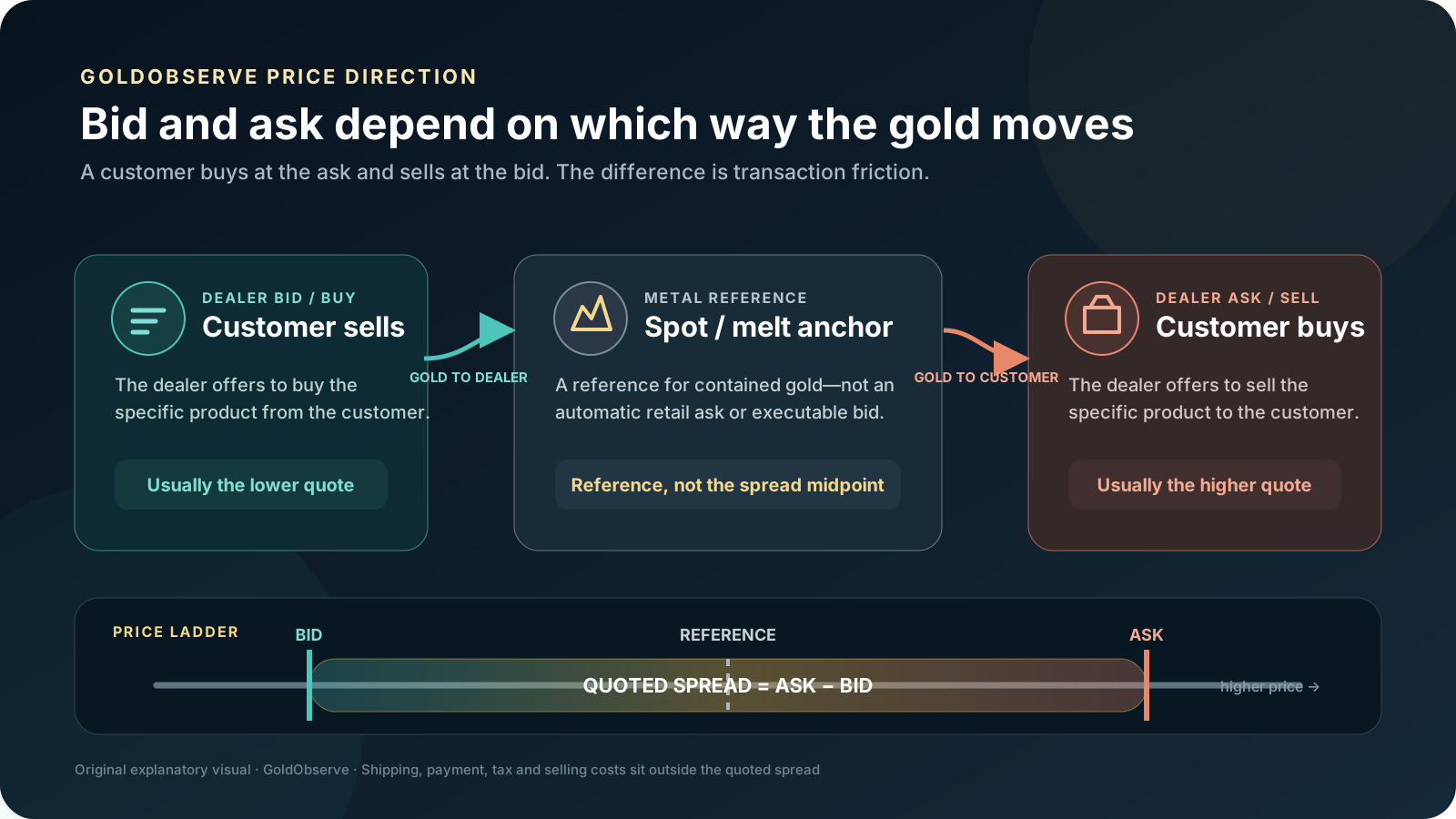
Method boundary: shipping, payment charges, tax, assay deductions and selling fees can widen the actual round-trip gap beyond the quoted spread.
Gold bid, ask and spread: the direction matters
A bullion dealer's ask is the selling price offered to a customer. It may sit above contained metal value.
The bid is the dealer's purchase or buyback quote for your product. It may be below contained metal value.
The difference between the two per-item quotes before adding your shipping, tax, payment or selling costs.
The APMEX guide to the gold spread describes the customer-facing direction in the same way: buyers see the ask and sellers see the bid. The JM Bullion bid-ask guide also explains the spread as the separation between the highest bid and lowest ask. Dealer terminology and quote conditions can vary, so confirm the direction on the actual offer.
The calculator uses four separate comparisons
Contained metal valueFine-gold troy ounces per item × gold spot per troy ounce.
Ask premium over meltDealer ask − melt value. Percentage premium divides that difference by melt value.
Bid difference from meltDealer bid − melt value. The result can be positive or negative and is reported neutrally.
Complete round-trip gapAsk × quantity + purchase costs − bid × quantity + selling costs.
A premium is not the same thing as a spread. The APMEX premium-over-spot guide describes premium as a cost added above spot that can reflect fabrication and distribution. The quoted spread compares two dealer prices. Your round-trip gap is broader still because it can also include delivery, payment, tax, insurance, testing and sale expenses.
Capture both quotes at the same time
Gold spot and dealer inventory prices move. Comparing yesterday's buyback quote with today's retail listing mixes market movement with dealer spread. For a useful comparison, record the bid, ask and spot reference for the same product, quantity, currency, payment method and timestamp.
The Royal Canadian Mint's bullion buying guidance recommends comparing a dealer's price with current spot while also considering trust and accessibility. A low arithmetic spread does not authenticate a product, establish dealer reliability or guarantee execution.
How the conditional break-even spot works
The worksheet first calculates the dealer bid as a percentage of current melt value. It then asks what spot price would make a future bid, at that same percentage of melt, cover the original all-in acquisition cost plus entered selling costs. This is more conservative than simply dividing the purchase price by fine-gold ounces when the current bid is below melt.
The ratio is held constant only to make the scenario calculable. It is not a prediction of a future dealer quote.
Why the real outcome can differ
- Dealer premiums and buyback policies can change independently of spot.
- Product condition, assay packaging and local demand can affect eligibility or price.
- Tax, shipping, insurance, payment and testing expenses may change.
- A quote can expire, have a minimum size or depend on successful verification.
- Gold and currency prices can move before a transaction is completed.
A practical dealer quote comparison checklist
- Request both the sell price and immediate buyback price for the exact same item.
- Ask whether prices are locked, indicative or subject to market movement.
- Confirm quantity tiers, minimum transactions and payment-method pricing.
- Record shipping, insurance, payment fees and any applicable tax.
- Check whether the buyback requires intact assay packaging, a receipt or specific condition.
- Ask about testing, settlement time, return policy and rejected-product handling.
- Use the same spot timestamp and currency for every seller in the comparison.
- Keep screenshots or written quotes when the transaction is material.
Frequently asked questions
Is the bid the price I pay?
No. In this worksheet the dealer bid is what the dealer offers to pay you. The ask or dealer sell price is what you pay.
Is the dealer spread the same as my total loss if I sell immediately?
No. The quoted spread excludes your other purchase and sale expenses. The round-trip gap adds the entered costs on both sides.
Can a bid be above melt value?
Yes. Product demand, scarcity or other factors can produce an entered bid above calculated metal value. The tool reports the difference without appraising the product.
Does a smaller spread mean a dealer is safe?
No. Spread arithmetic does not verify identity, custody, authenticity, delivery performance, solvency, licensing or contract terms.
Why does the calculator need fine-gold content?
Melt value is based on contained gold, not merely gross weight. Presets use exact fine-gold amounts; custom mode converts gross weight and fineness.
Is the break-even price a forecast?
No. It is a conditional scenario that holds the entered dealer bid-to-melt ratio constant. Future spot, bid, fees and market conditions can differ.