CONTRACT IDENTITY BEFORE PRICE
The cheapest row is meaningless until the underlying and expiration are verified
A gold options chain organizes calls and puts by product, underlying futures month, option expiration and strike. Read those identity fields before premium. Then record bid, ask, last-trade time, volume, open interest and any model outputs with their units. A row is not a quote for physical gold, and a displayed midpoint is not an executable promise.
READING ORDER
Move from contract identity to execution, then to model analytics
GC Gold option or MGC Micro Gold option and its multiplier.
The exact futures contract and delivery month referenced by the option.
Option expiry, exercise style and operational deadline.
Call or put at the specified exercise price.
Bid, ask, last, timestamp and displayed size.
Volume and open interest under their reporting periods.
Implied volatility and Greeks with model and units.
CHAIN ANATOMY
Lock the contract, then separate execution, activity and model fields
The schematic contains field names rather than invented quotes. Its reading order prevents a cheap-looking premium, stale last trade or model output from outranking the contract identity and current executable market.
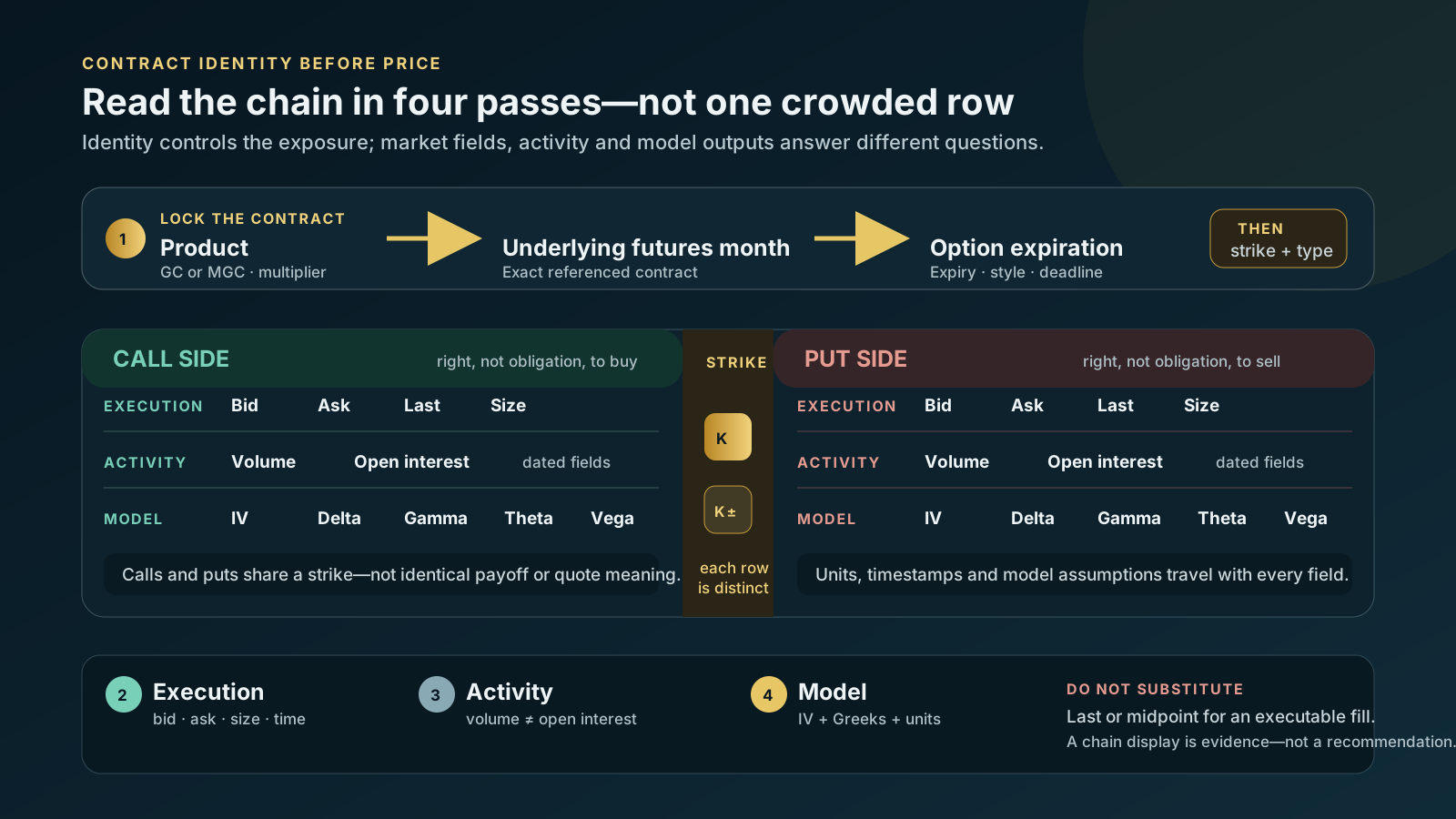
Method boundary: This is not a live chain, volatility surface or liquidity score. Current exchange definitions, contract rules, timestamps, licensed market data and broker instructions control.
PRICE COLUMNS
Bid, ask, last and settlement answer different questions
CHAIN AUDIT
Save enough context to reproduce the decision later
- Product code, underlying futures month, option expiration, strike and call or put.
- Bid, ask, last, size, timestamp and source or platform.
- Volume observation period and open-interest date.
- Premium unit and dollar conversion using the verified multiplier.
- Implied volatility, Greeks, model name and units if used.
- Commission, exchange fees, order type and intended exit or exercise instruction.
GoldObserve does not republish a live chain because a durable chain requires licensed, timestamped market data and model metadata. The strategy calculator instead accepts user-authorized inputs and keeps every assumption visible.
PRIMARY SOURCES & REVIEW BOUNDARY
Exchange education explains the structure; current contract and broker rules control execution
- CME Gold futures and options product page, Gold options contract page and Micro Gold options FAQ for the current product family and multiplier context.
- CME option strategies course.
- CME open-interest lesson and CME volume and open-interest tools for activity-field definitions and current exchange tools.
- CFTC glossary for option, premium, spread, assignment, bid, ask, open-interest and volume terminology, plus CFTC Futures Market Basics and NFA investor resources for risk and intermediary due diligence.
Sources and links were reviewed August 2, 2026. Illustrations are not live quotes. Listed expirations, strikes, exercise provisions, fees, margins, position limits, liquidity and broker deadlines can change. Verify the current exchange rulebook and broker instructions before acting.
GOLD OPTIONS STRATEGY LAB
Move to the next distinct decision
Need the contract foundation first? Start with gold option calls, puts and expiration risk or the single-leg payoff calculator.
FREQUENTLY ASKED QUESTIONS
Gold options chain questions
What should I verify first in a gold options chain?
Verify the product, underlying futures contract month, option expiration, call or put side and strike. Similar-looking rows can reference different economic exposures.
Should I use bid, ask or last price?
A buyer normally evaluates the ask and a seller the bid, while recognizing that limit orders may improve or fail to fill. Last price can be stale; midpoint is not guaranteed executable.
Is the option chain a recommendation?
No. It is a market display. It does not determine suitability, probability, expected return or whether the account can support exercise, assignment and margin.
Why can Greeks differ between platforms?
Models, timestamps, underlying inputs, interest rates, volatility conventions and units can differ. Record the methodology before comparing numbers.